Sea freight logistics – a complete guide for shipping goods to the UK
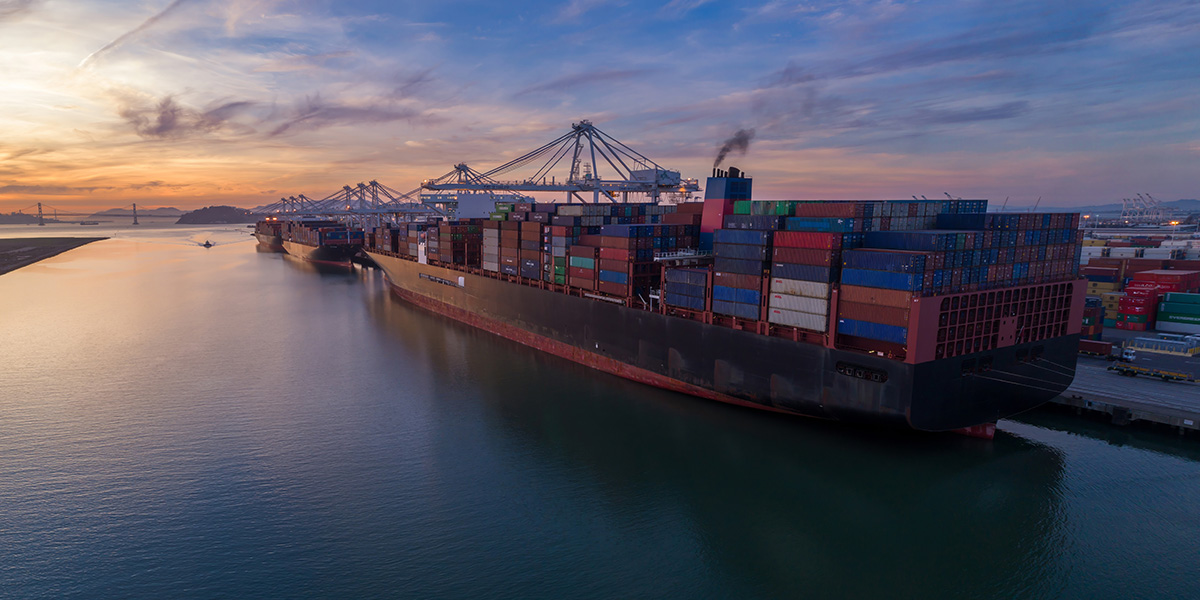
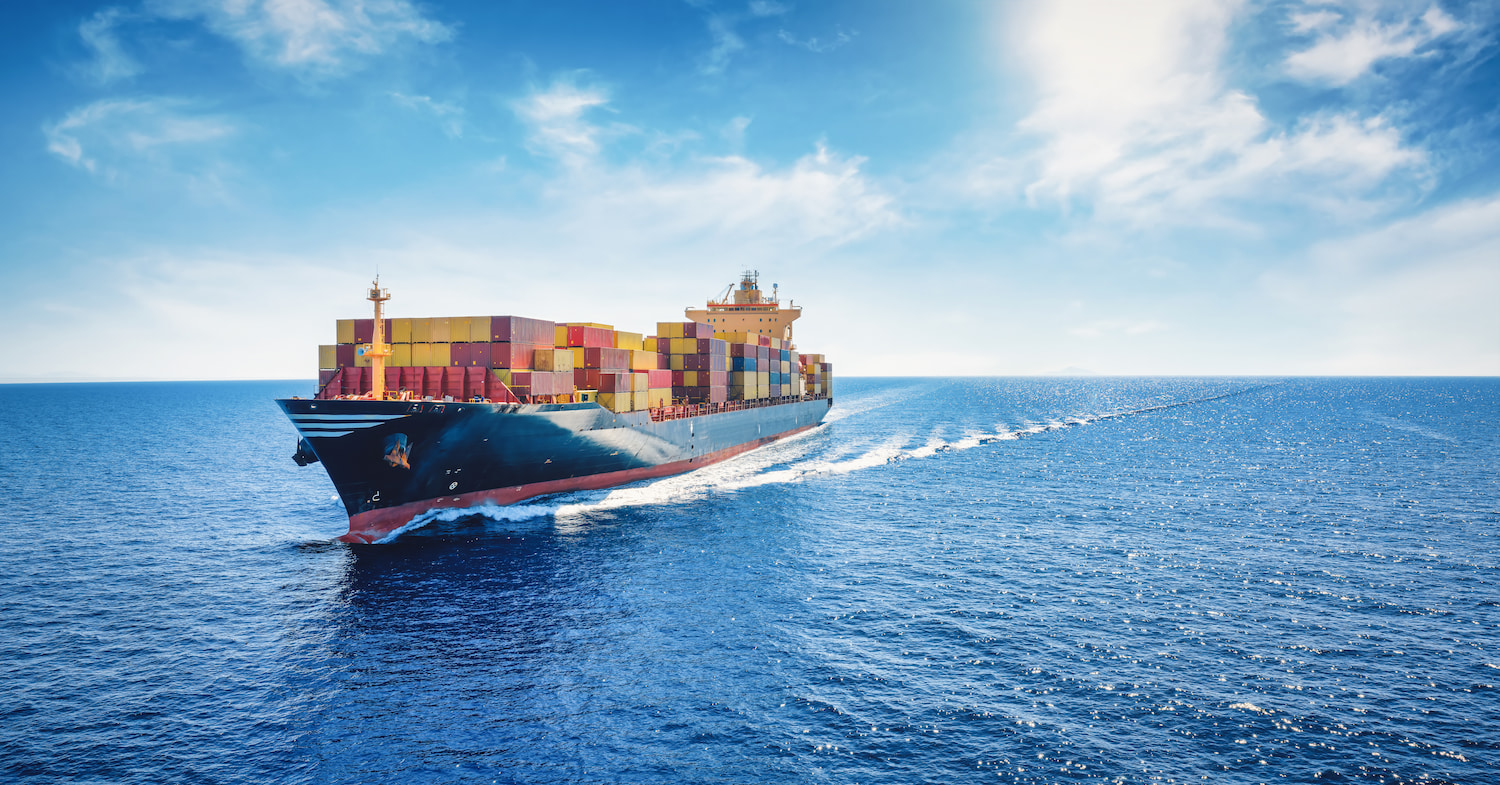
Sea freight shipping plays a crucial role in global trade, with a significant proportion of the world’s goods transported via this method.
If you’re looking to ship goods into the UK via sea, there are several key factors to consider - including the nature of the goods being transported, customs clearance requirements and the final delivery of your goods once they have been shipped.
As cross-border logistics specialists, we’ve put together a comprehensive guide on sea freight logistics: including its benefits, types of freight and what you need to consider before shipping your products to the UK.
What are the benefits of sea freight shipping?
Thanks to the scale and capacity of modern vessels, sea freight is ideal for moving large shipments and bulk commodities, with access to ports worldwide.
Sea freight is highly cost-effective due to the vast cargo capacity of container ships. It also offers a more environmentally friendly alternative to air freight, significantly reducing carbon emissions.
With its cost, capacity and environmental benefits, sea freight is ideal for low-urgency goods of any size, from raw materials to manufactured products, where cost savings and sustainability take priority.
So, you may now be asking: how does sea freight work and what steps do I need to take to begin shipping my goods overseas?
How the sea freight process works?
The first step you will need to consider is shipment planning.
Not all shipping routes or freight providers will be suitable for your needs. Take the time to research your options and request quotes so you can choose the solution that best fits the type, size and quantity of goods you’re moving, as well as your specific logistical requirements.
During this phase, it’s important to factor in shipping schedules, freight types (more on this later), tracking options, pricing and the overall reliability of the provider.
Alternatively, you can remove the hassle of researching by partnering with a third-party logistics provider (3PL),such as CCL, who can consolidate and coordinate the ideal shipment route based on your specific requirements.
At CCL, we are a BIFA and IATA approved agent with established logistics partnerships, meaning we work with the most reliable agents all over the world to offer the best shipping solutions for our clients.
Sea freight types
When organising your shipping, it is also important to consider the sea freight types.
Full Container Load (FCL) is where a business rents an entire shipping container on a cargo ship. This is ideal for businesses who wish to transport a large volume of items with better cost-effectiveness for larger loads.
If you don’t need an entire container, you can instead opt for a Less than Container Load (LCL).This method involves a container’s space being shared between multiple businesses. This is used by companies whose shipments don’t require a full container, making it more economical by splitting the costs.
Other sea freight types include Roll-on/Roll-off(RoRo) where vehicles and machinery are driven directly onto ships. This is commonly used for transporting cars, trucks and construction equipment.
For those in industrial or manufacturing sectors, Bulk Shipping is often the preferred sea freight method. Bulk carriers are designed to transport raw materials such as coal, grain and metal efficiently and in very large quantities.
Preparing for UK customs clearance
Once your shipping route is determined, you will next need to organise all the necessary customs clearance for your goods – which involves verifying paperwork as well as calculating and paying duties and taxes.
Ensuring documentation is correctly processed is a top priority!
Without correct documentation, your goods could face delays, additional fees or even shipment rejection when they arrive into the UK.
As customs declaration can be a lengthy process, many businesses exporting or importing goods will seek a customs broker for assistance.
At CCL, we specialise in customs clearance, giving our freight forwarding clients access to our expert advice and customs IT solutions. Working to their operational or logistics needs, our customs services can make sure goods are cleared quickly, compliantly and without disruption.
Furthermore, we can provide up-to-date and timely FCL and LCL prices on the market thanks to our in-house customs and sales team. Our pricing and transit time systems allow our clients to achieve the best combination for cost-effective solutions and reducing transit times to the market for sea freight shipment.
Logistics upon arrival
Your sea freight cargo has been successfully imported into the UK, now it just needs to get to its final destination!
Whether transported by road or rail, anyone importing goods must organise the onward journey from port to the warehouse, distribution hub, manufacturing site or fulfilment centre.
As with choosing your sea freight provider, we recommend researching diligently to find a logistics method that aligns with your operational requirements.
Luckily, at CCL, we don’t just specialise in sea freight!
We can also manage logistics by air, rail and road, and our strong partnerships with trusted transport carriers mean you can be connected to the most efficient and reliable delivery options for your business.
Sea freight from China to the UK
China is one of the world’s major exporting regions, and the UK has well-established sea freight routes connecting ports such as Shanghai, Shenzhen, Ningbo, and Qingdao to major UK ports such as Liverpool, Felixstowe, Southampton and London Gateway – all of which CCL operate at!
Given the distance between the two countries, sea freight is the most common and cost-effective transport method, with the majority of goods moving via ocean containers.
A shipment from China to the UK typically takes 30-40 days – depending on the shipment route or weather conditions.
Due to the long transit times, many Chinese businesses ship surplus stock to UK warehouses, allowing for fast, reliable deliveries that meet consumer demands.
Warehouses like ours can operate as ETSF (External Temporary Storage Facilities), meaning duties are only paid when goods leave the warehouse for final-mile delivery - offering businesses greater cash-flow flexibility.
With an office in Beijing and a strong Chinese client base, we support the efficient export of goods from China to the UK, ensuring shipments are transported smoothly and stored securely within our ETSF facility.
CCL – streamlining your shipping logistics
Whether you're expanding into new markets or improving your existing transport routes, our expert team provides hands-on support throughout your sea freight shipment process.
With experience in handling import and export clearance, data-driven customs clearance, compliance checks and HS code classification, CCL can make sure your goods are shipped to their final destinations without delay or disruption.


.svg)