International shipping: a complete guide for eCommerce sellers
The process of selling goods online, also known as eCommerce, presents opportunities for businesses to reach more customers than ever before.
And, this can especially be the case when expanding coverage overseas, offering goods to consumers across the globe.
However, establishing international shipping for eCommerce can be a little more complicated than domestic logistics – with added considerations for freight forwarding, customs, localised legislation and returns management.
As a leading cross-border logistics service provider, we often get asked questions from eCommerce sellers looking to expand their operations internationally.
So, we have produced a comprehensive guide that addresses the most common international eCommerce questions from sellers.
Why should my eCommerce business sell internationally?
Selling your eCommerce products internationally can greatly expand your customer base – opening the door to exciting new markets, increased sales and long-term business growth.
What should I consider before offering worldwide shipping?
Before you consider selling eCommerce products internationally, there are several things you may need to consider, including:
• Do your products have a market demand and potential for success in the country you wish to expand into?
• Does your business have the bandwidth to manage additional order volumes, shipping requirements and customs processes?
• Have you thought about how you will handle returns and customer support?
• Does your eCommerce platform support international currencies, local taxes and overseas shipping options?
• Are your goods compliant with the specific country’s import regulations, labelling requirements and product standards?
• Can you provide accurate shipping costs and delivery times at checkout?
• Do you have the right customs documentation in place?
Before making the step in to international eCommerce, we recommend diligently planning to ensure your products cross the border without interruption and your overseas customers receive the same excellent customer support you deliver locally.
What processes are involved in international eCommerce logistics?
International eCommerce involves a little more than simply shipping a product to an overseas address.
Before the package reaches the customer, it must undergo several key stages:
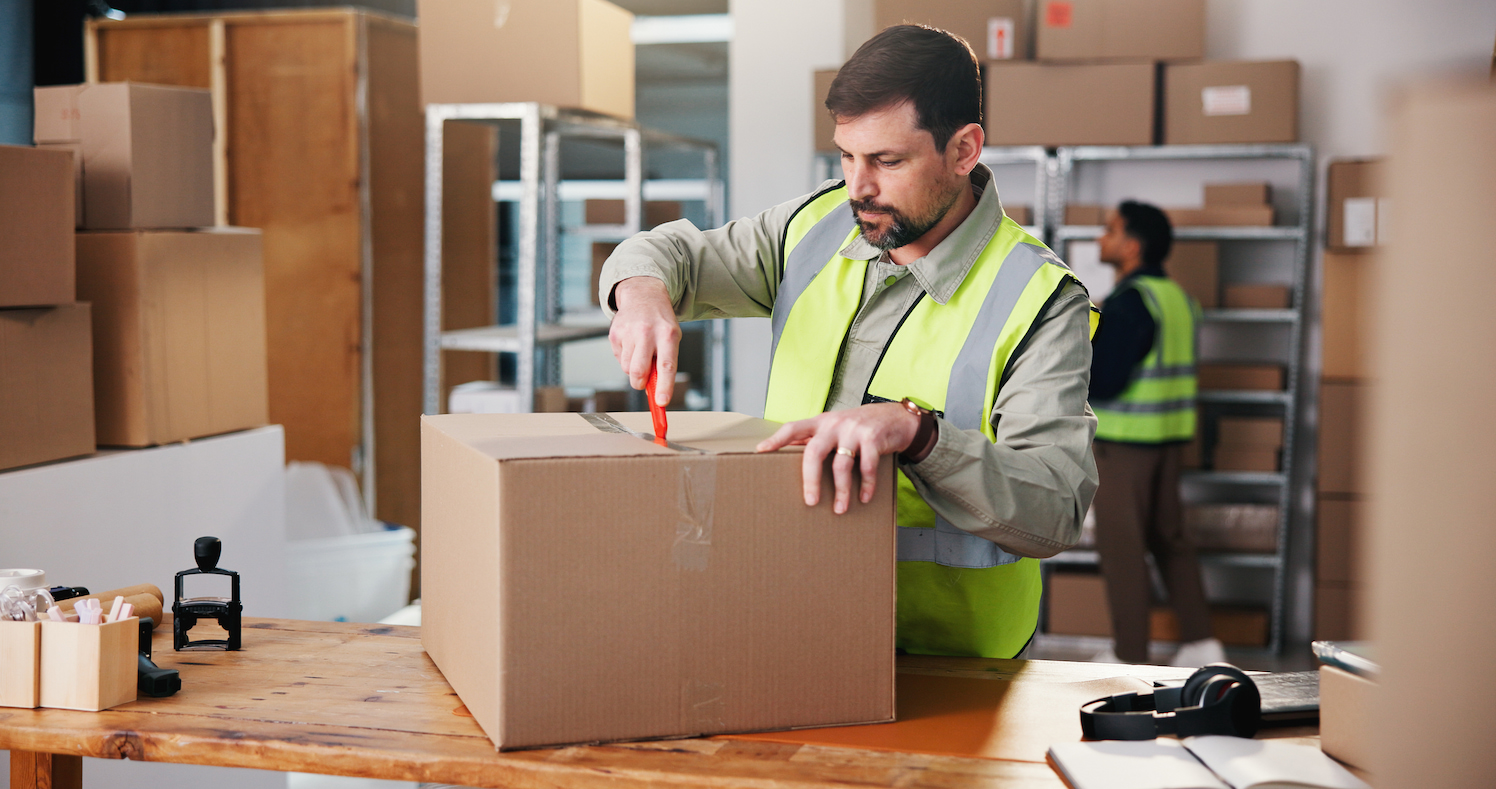
Firstly, your order will need to be prepared for transport. This will be similar to what you’re used to with domestic orders – including the processing of the customer’s order, the secure packaging of goods and the sourcing of any relevant transport documentation.
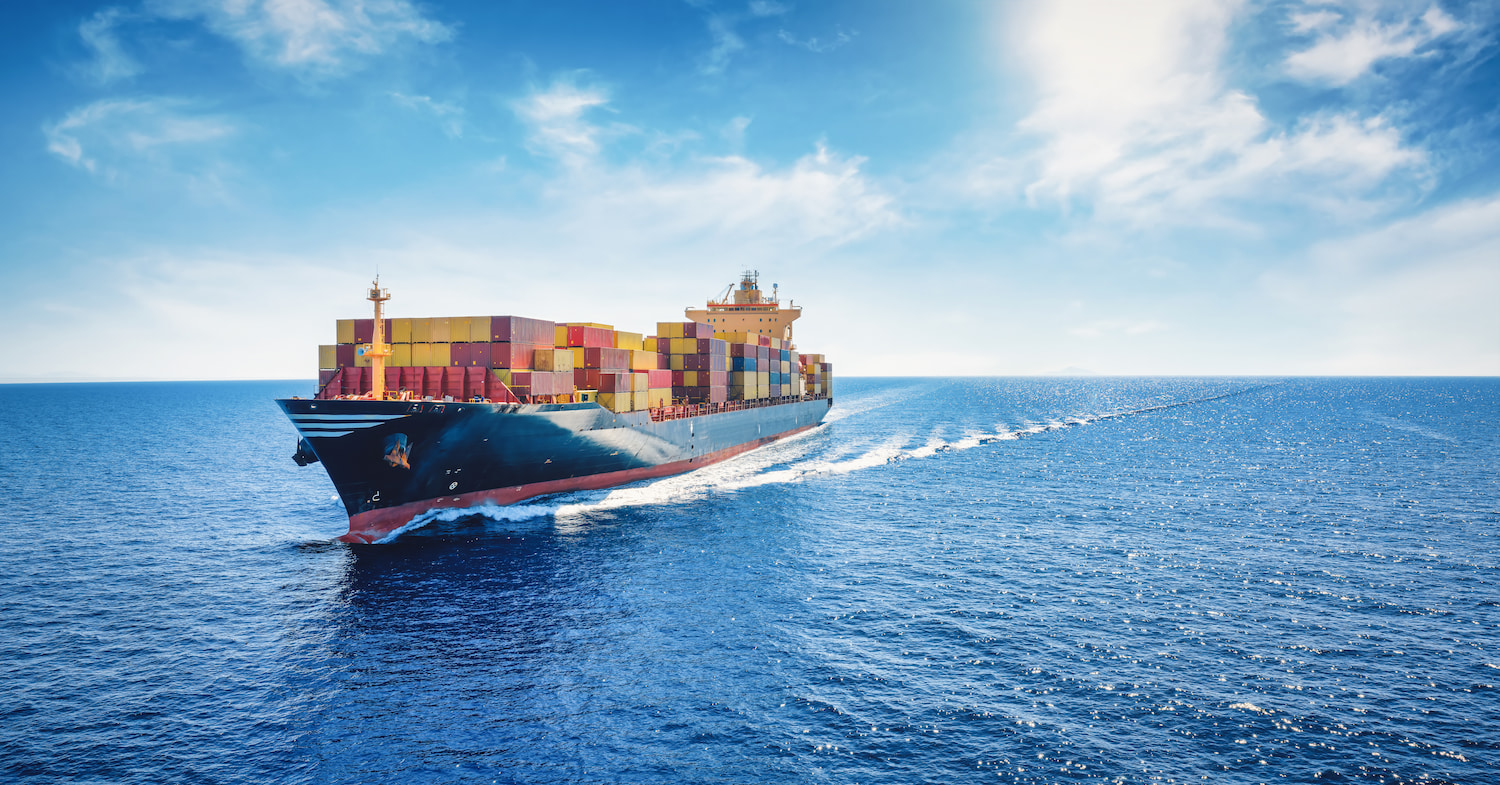
Next, you will need to organise your international freight forwarding, helping the package be transported from your warehouse to the final overseas destination. Freight methods include road, air, sea and rail and what is best for you will be dependant on your final destination and type of product you’re transporting. See our guide on choosing the right freight method.
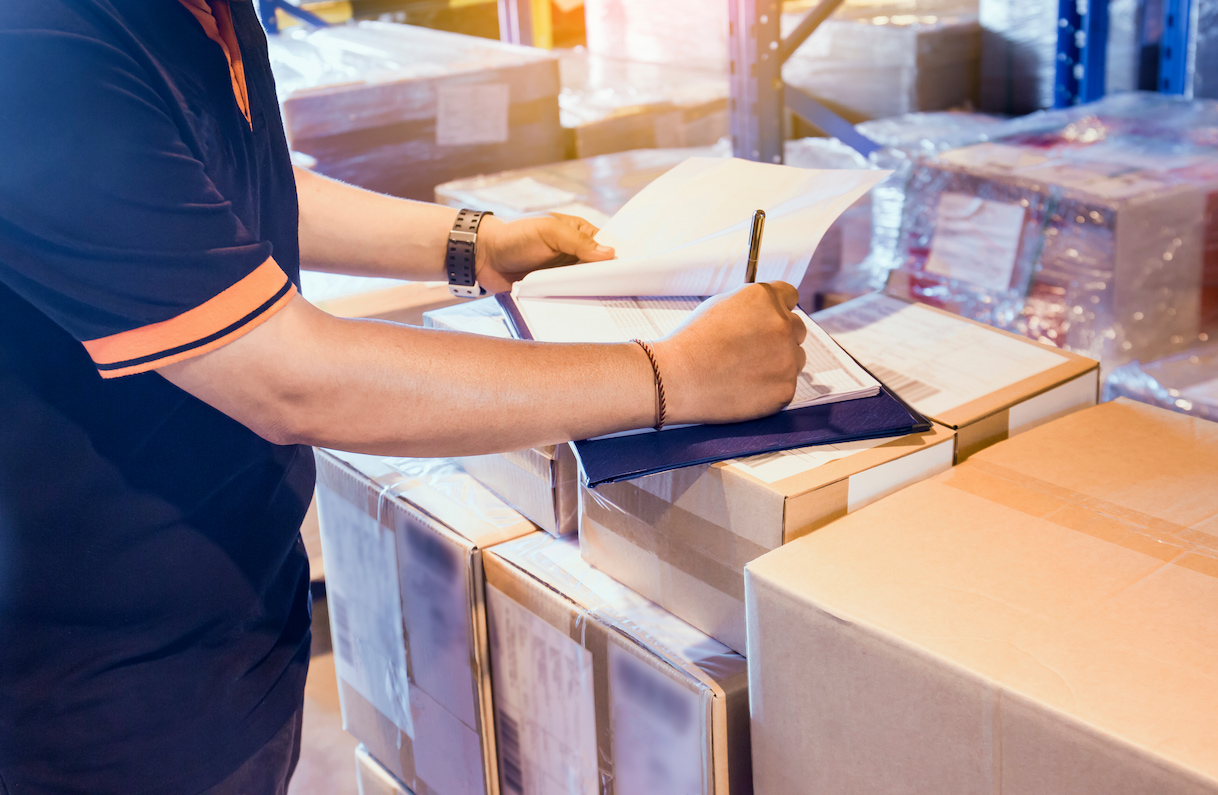
And finally, you will need to complete the customs declaration for your shipment - detailing the products for customs officials and declaring the payment of any relevant duties or taxes.
Managing these processes yourself can be time-consuming, so many eCommerce sellers consult a cross-border logistics provider to help them establish a seamless, compliant and cost-effective transport route.
Which courier is best for eCommerce shipping?
This depends on the product you’re transporting, its size and weight, your destination countries, delivery times, budget and your customers' expectations.
Whether you’re prioritising cost-effective postage or time-sensitive deliveries, we recommend weighing up your options and researching which courier is best suited to your objectives.
Can every product be shipped internationally?
No, every country has its own import restrictions and prohibited goods lists which could affect which products you need to ship.
Certain products, such as cosmetics, food, batteries, chemicals or medical devices, may require additional licences, certifications or may be prohibited entirely. Checking destination country regulations before accepting international orders can help avoid customs delays, fines or refused shipments.
Why is shipment tracking important for international eCommerce?
International shipment can be highly beneficial for eCommerce businesses transporting goods overseas, allowing them to improve customer experience, reduce customer enquiries on delivery times, build trust in the brand and enable you act quickly if a shipment is held at customs.
What do UK eCommerce sellers need to know about shipping to the EU?
Due to the UK leaving the European Union (EU), there are additional rules when shipping goods into an EU country.
As well as the standard customs procedures, UK eCommerce sellers should also be aware of recent changes to EU customs rules.
From July 2026, the EU introduced a €3 handling fee for many low-value B2C consignments entering the EU from outside the bloc, replacing the previous customs duty exemption for goods valued at €150 or less.
UK eCommerce sellers should consider the additional import costs and how it could affect their profits, pricing and logistics strategy.
Do I need to organise customs clearance on my sold eCommerce packages?
Yes, when selling eCommerce products internationally, you will need to organise the customs clearance process.
Customs clearance is a mandatory process that declares your imported products adhere to legislation, have permission to enter the destination country and any relevant duties have been paid.
This process includes providing a commercial invoice, using the correct HS codes, declaring the value of the goods and ensuring any applicable duties, taxes or VAT are paid according to the chosen shipping terms.
Who pays customs duties and taxes on eCommerce products?
As a rule of thumb, most eCommerce sellers will pay the duties and VAT included within the customs clearance of goods. This method is referred to as DDP (Delivered Duty Paid) and businesses should consider the price of their products and how customs duties can affect overall profits.
In select cases, the buyer can be responsible for any customs payments that are made before the product can be released. This method is known as DAP (Delivered At Place).
These payment obligations are subject to the Incoterms agreed between the seller and the buyer.
What happens if my customs declaration is incorrect?
If your customs declaration contains inaccurate or incomplete information, your shipment may be refused entry and held at customs for further investigation – leading to delays, penalties or even a return-to-sender.
This is commonly caused by entering the wrong HS code, paying the incorrect customs duties and VAT or failing to comply with the destination country’s import regulations.
For eCommerce businesses, customs delays can result in dissatisfied customers, increased support enquiries, negative reviews and damage to your brand's reputation.
What happens if customers need to return their eCommerce products overseas?
International eCommerce returns can be more complex than domestic ones, as returned goods must usually pass through customs before they can be re-imported into the seller's country.
Without the correct documentation, returned products may be subject to unnecessary duties, taxes or delays - increasing costs for both the retailer and the customer.
In the UK, returned goods can qualify for customs relief in certain circumstances, helping eCommerce sellers avoid paying customs duties twice. To benefit from these reliefs, the correct customs declarations and supporting documentation must be submitted to HMRC.
Having a clear international returns process is essential when expanding your business into new countries, ensuring both profits and customer satisfaction are maintained.
CCL – international eCommerce made easy
At CCL, we have decades of experience supporting eCommerce businesses expand their reach overseas – helping them organise shipment routes, handle customs clearance, establish a seamless returns process and more.
From initial consultation and compliance through to the final delivery of your products, our logistics experts are here to help you scale with confidence.


.svg)